
Why AI’s China Visa Advice Doesn’t Always Yield Expected Results
In recent visa, foreign company registration, and permanent residency consultations, we’ve noticed a common trend: many clients have done extensive research, diligently reviewed public information, and even verified steps with AI multiple times. Yet when they take action, the results often diverge from expectations.
- Publicly available policies
- Common case studies
- Generally applicable routes
These resources are valuable for quickly identifying potential directions. However, in practice, decision points often diverge:
- different cities,
- different backgrounds,
- different timelines.
The same “general path” can produce vastly different outcomes depending on who follows it.

- Specific preconditions weren’t reviewed independently
- Certain documents required extra clarification in specific regions (e.g., overlapping work and study periods on a work visa, loosely related job histories, salary meeting residency requirements but tax contributions falling short)
- The order of steps didn’t align with the preferred practice at the local office
Such nuances often lie outside public knowledge—and beyond AI’s capacity to detect automatically.

Yet the more pressing questions usually are:
- Is this the right time?
- Are there more reliable alternatives?
- Could failure at this step affect future options?
These are not binary yes/no questions—they require personalized analysis based on current goals and context.
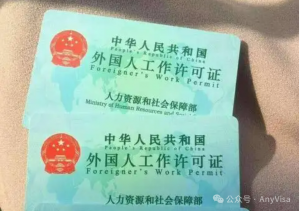
- Different cities focus on different criteria (e.g., Shanghai may count work experience from age 18, while cities like Nanjing or Suzhou only count post-degree full-time experience)
- Documentation expectations and interpretation standards vary
Clients often follow information that seems “all correct,” only to hit an unpredictable roadblock. These discrepancies stem more from real-world implementation than written rules.
- AI excels at outlining policy structures
- It helps map out potential routes
- It enables clearer questioning
However, when moving into actual execution:
- People often struggle to choose the best path among many viable ones
- Each step “seems doable,” but hidden risks aren’t obvious
- Missteps can be costly and difficult to reverse
At that point, what’s often needed is a comprehensive assessment tailored to the individual case.

- Consulted AI and done substantial homework
- Identified possible options
- But feel unsure about which path to take, how to proceed, or whether the timing is right—
Then you are at the stage where consulting can offer the most value.
Our role is not to disprove AI’s answers, but to:
- Build on the knowledge you’ve acquired
- Factor in your background, location, timing, and goals
- Clarify the pros and cons of each option
- Help you decide which path makes the most sense right now
If You’re Facing Similar Challenges…
- Stuck at a visa application step
- Exploring foreign business registration but unsure of the right approach
- Considering permanent residency but wary of long-term consequences
You’re welcome to bring the AI-derived plan and speak with our visa consultant, Maggie. Together, we’ll break down the information, align it with the real-world context, and uncover options that are more secure and time-efficient.