
Top 5 China Visa and PR Questions Answered (2026)
People often think our job is simply collecting documents, submitting applications, and waiting for approval.
In reality, it’s much more than that.
Every day, we receive dozens—sometimes hundreds—of questions from clients around the world via WeChat, email, and our online platforms.
Some questions come up almost every day. Others seem simple but can have a huge impact on a visa application.
If you’re planning to work in China, change jobs, or apply for permanent residency, these are the five questions you’re most likely asking too.

Question 1: “I already have a job offer. Does that mean I’ll definitely get a work visa?”
Chinese work visa applications are assessed based on multiple factors, including:
- Your employer’s qualifications
- The position itself
- Your education
- Your work experience
A job offer gets you hired—but it doesn’t guarantee visa approval.
Question 2: “My degree was completed online. Can I still apply for a China work visa?”

The key question is whether it can be officially recognized in China.
If your degree cannot be authenticated for Chinese purposes, your work visa application may be affected.
That’s why it’s much better to verify your degree before accepting an offer—not after you’ve already started planning your move.
Question 3: “If I change jobs, do I have to leave China and apply again?”
If your new employer is qualified and the work permit and residence permit are processed within the required timeframe, the transition can often be completed without leaving China.
That said, every case is different.
Your resignation date, remaining residence permit validity, employer qualifications, and the city where you apply can all affect the process.
The earlier you plan, the more options you’ll have.
Question 4: “When can I apply for Chinese permanent residency?”
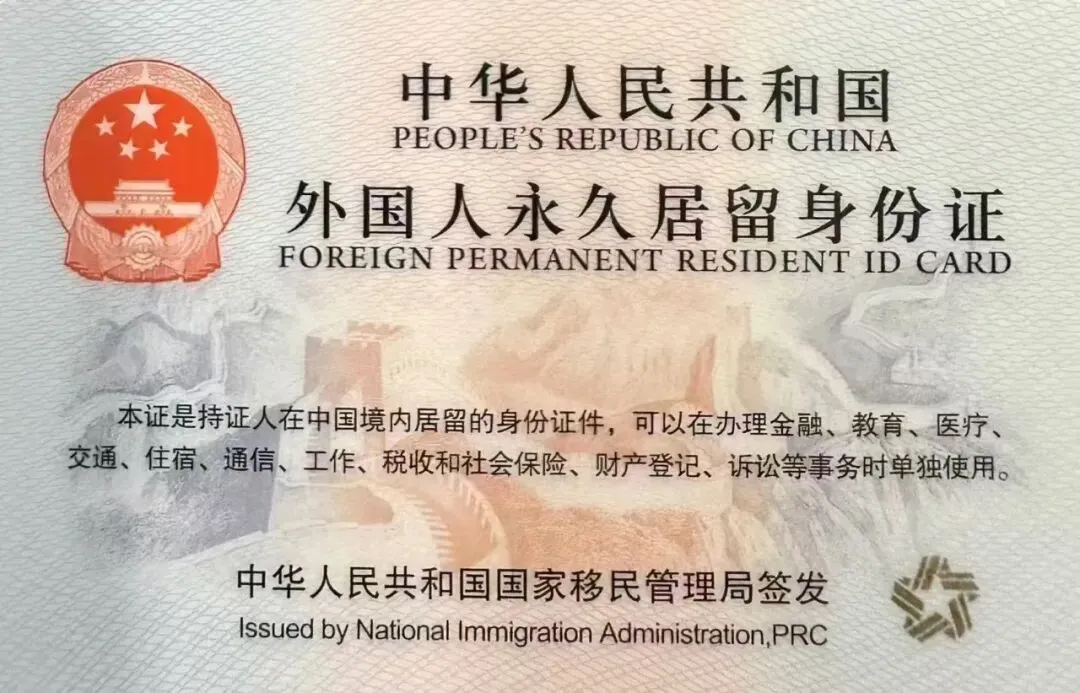
Your salary, tax records, time spent in China, application category, and even your marital status can all influence eligibility.
We’ve also seen applicants who were initially qualified but had to postpone their plans because of a job change, salary adjustment, or extended time outside China.
Planning ahead is always easier than fixing problems later.
Question 5: “I’ve already asked AI. Do I still need professional advice from you?”
AI is excellent for learning the basics and organizing information. But when it comes to submitting an application, every case is unique, and visa requirements can change over time.
For example:
✔️ Will your degree be accepted?
✔️ Does your work experience meet the requirements?
✔️ Is your employer qualified to sponsor your application?
✔️ Are the requirements the same in every city?
The policy may be the same, but every applicant’s path is different.
💬 Final Thoughts

If you’re planning to work in China, change employers, or apply for permanent residency, it’s always worth understanding your situation in advance.
Good planning is always easier than last-minute fixes.